
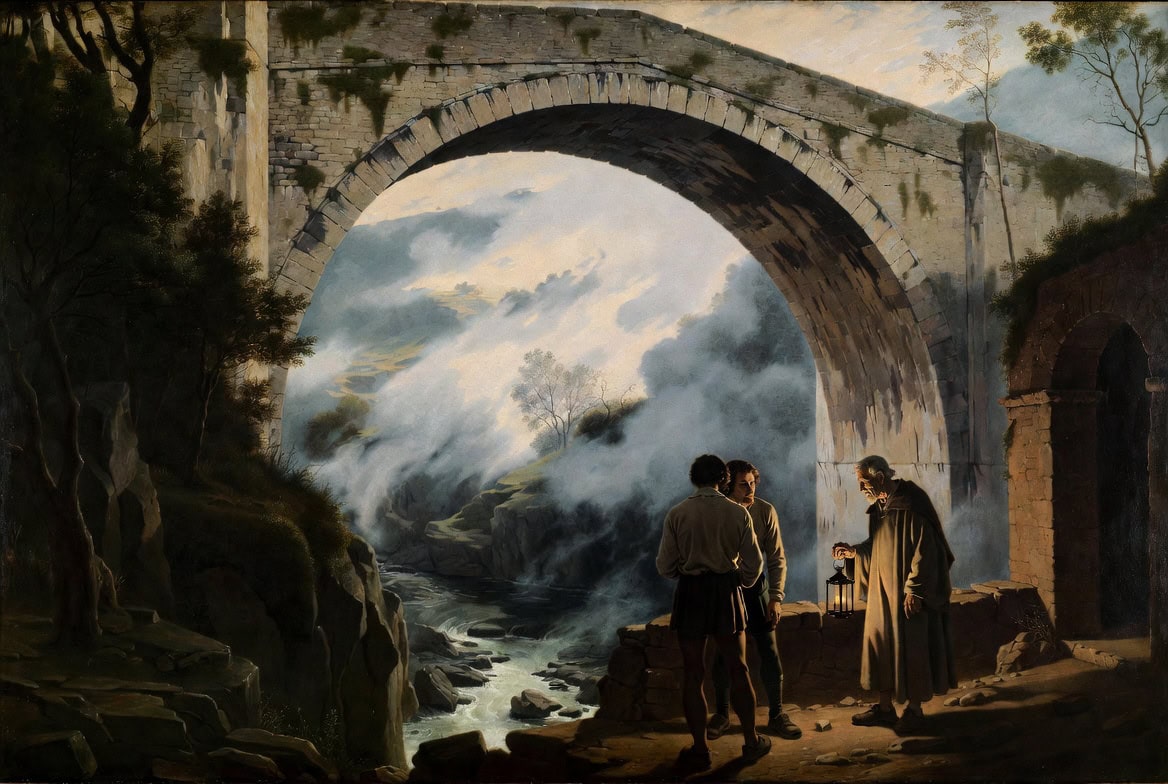
When did you… no, wait, I should ask myself: When did I last publicly confess my own failure?
Certainly, some mistake or other annoys me privately. And in confession I confess my failure. But would I dare confess publicly to having completely failed?
»I confess publicly« in Latin is »confiteor«. And yes, we are speaking here of the Confiteor of the Old Mass.
The priest says the Confiteor, and once we understand it, it will change us too.
With New Strength
Before this the priest declared Introíbo ad altáre Dei (essay, Dushan Wegner), and we confirmed to him that God will secure his strength and youth for it. In many traditional parishes the whole of Psalm 42 was then said. Then the Doxology (»Glory be…«), Introíbo again, then Adjutórium nostrum (»Our help…«).
But what does the priest do, once he has approached the altar of the Lord with new strength and youth?
The priest confesses his guilt and sins!
The Most Famous Confession of Guilt
Confíteor Deo omnipoténti: I confess to almighty God. The priest confesses his sins before almighty God (Deo omnipoténti), before the Blessed, ever-Virgin Mary (beátae Maríae semper Vírgini), the blessed Archangel Michael (Michaéli Archángelo), John the Baptist (Joánni Baptístae), the holy Apostles Peter and Paul (sanctis Apóstolis Petro et Paulo), and indeed all the Saints (ómnibus Sanctis) — and beyond that: before us, whom the priest calls his brethren (et vobis, fratres).
»quia peccávi nimis cogitatióne, verbo et ópere«, the priest confesses: that I have sinned greatly, in thought, word, and deed.
The priest speaks it alone. Before almighty God, before the individually named Saints, and before us, his brethren.
(A note, now and not too often from here on: much of what is said here is missing from the Vatican II Mass, including some of the most important and most sublime prayers. I will not repeat this constantly. It need not always be emphasized that it is brighter in the sun than in the shade.)
Facing the altar, then, the priest’s confession culminates in the most famous confession of guilt in history: mea culpa, mea culpa, mea máxima culpa.
That means: through my fault, through my fault, through my most grievous fault.
The priest now asks all those named, the Saints, and us, his »brethren«, to pray for him to our common God (oráre pro me ad Dóminum Deum nostrum).
Purer Than Sunbeams
Our forefathers knew why they instituted this complex and, in a certain way, self-humbling procedure. The priest, who is about to re-enact the sacrifice of the Cross, must be »purer than the sunbeams themselves« (Chrysostom). The priest must be able to say with Galatians 2:20: »And I live, now not I: but Christ liveth in me.«
The servers respond by imploring the mercy of almighty God for the priest (Miseréatur tui omnípotens Deus). Then they say their own Confiteor. It is word-for-word identical, but instead of being addressed to the »brethren« (fratres), it is addressed to the priest as father (pater).
The priest finally answers the servers with the Miseréatur vestri and asks for their absolution. A second, separate prayer follows (Indulgéntiam, absolutiónem, et remissiónem). In it the priest asks for the remission, absolution, and forgiveness of our sins.
This Public Confession
And only then, at last, begins the ascent to the altar.
No, I will not lament at length here how much was lost, and how much it harmed the world, when all these important preparations were cut short — but please understand my pain.
I am glad that they still exist, the Old Masses, where the priest, alone, with servers at his side and us at his back, prepares extensively in order to be pure enough to approach the altar.
And I know that it changes people, to take part in these preparations and then in the sacrifice.
These important prayers change people, this public confession makes people strong against storms great and small, and this greatly angers the opposing side.
Yes, new storms are coming our way. Blessed is he who is prepared. It turns out that preparing for the coming storms has much in common with preparing for the ascent to the altar.
Good, that we may already delight in the following verses at the beginning of the ascent to the altar: Deus, tu convérsus vivificábis nos — Thou wilt turn, O God, and quicken us.
Keep writing, Wegner!
Writing these essays is only possible with your support. Become and stay part of my work!
Please choose your voluntary reader contribution:
Latin Prayer: my app for praying in Latin
The Rosary, the Mass, the Vulgate and the prayers of the Church — Latin and English side by side, line by line, much of it with audio, so you can hear how it sounds. Free, no ads, for iPhone and Android.

Email Notification
When there’s a new post, you’ll get a short email — at most once a day. Free, and you can unsubscribe anytime.
Der Essay Through my most grievous fault von Dushan Wegner ist auch online zu lesen: https://www.dushanwegner.com/essays/through-my-most-grievous-fault/, und auf dushanwegner.com finden sich noch viele weitere Texte, Bücher und sogar T-Shirts zum Thema!
